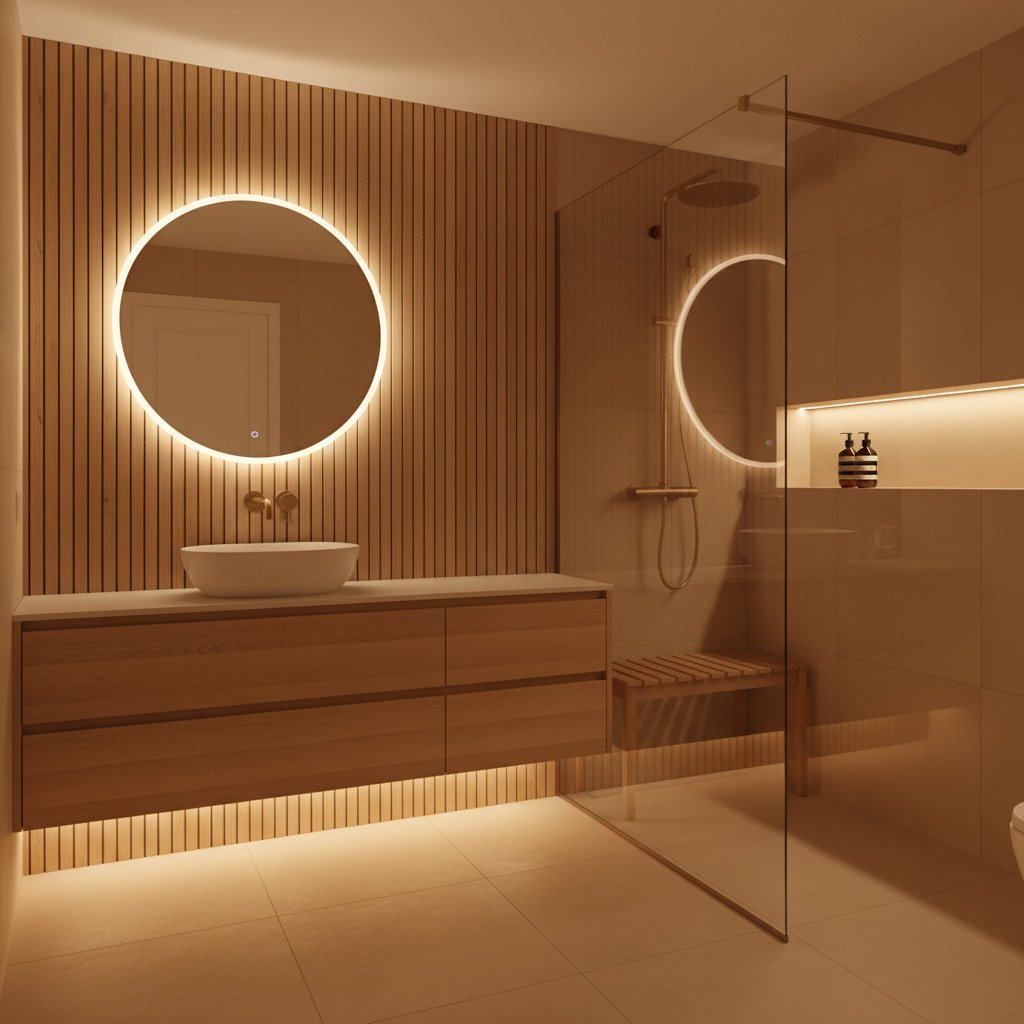
Picture this: you roll out of bed, flick the light, and step straight into a modern, rain‑kissed shower that feels like a mini‑spa. No more wrestling with a bulky tub that eats up space and water. That instant upgrade is what many Goodyear homeowners are craving.
Cracks in the tub, a rising water bill, or a desire to boost curb appeal are all red flags that the old bathtub has outlived its usefulness. Add in the fact that a sleek shower can add serious resale value, especially in a market that favors clean, functional designs.
With Goodyear’s hot summers and strict water‑conservation rules, swapping to a shower isn’t just a style move—it’s a smart, practical decision. Curious to find out if the timing is right for you? Keep reading to discover the tell‑tale signs that say it’s go time.
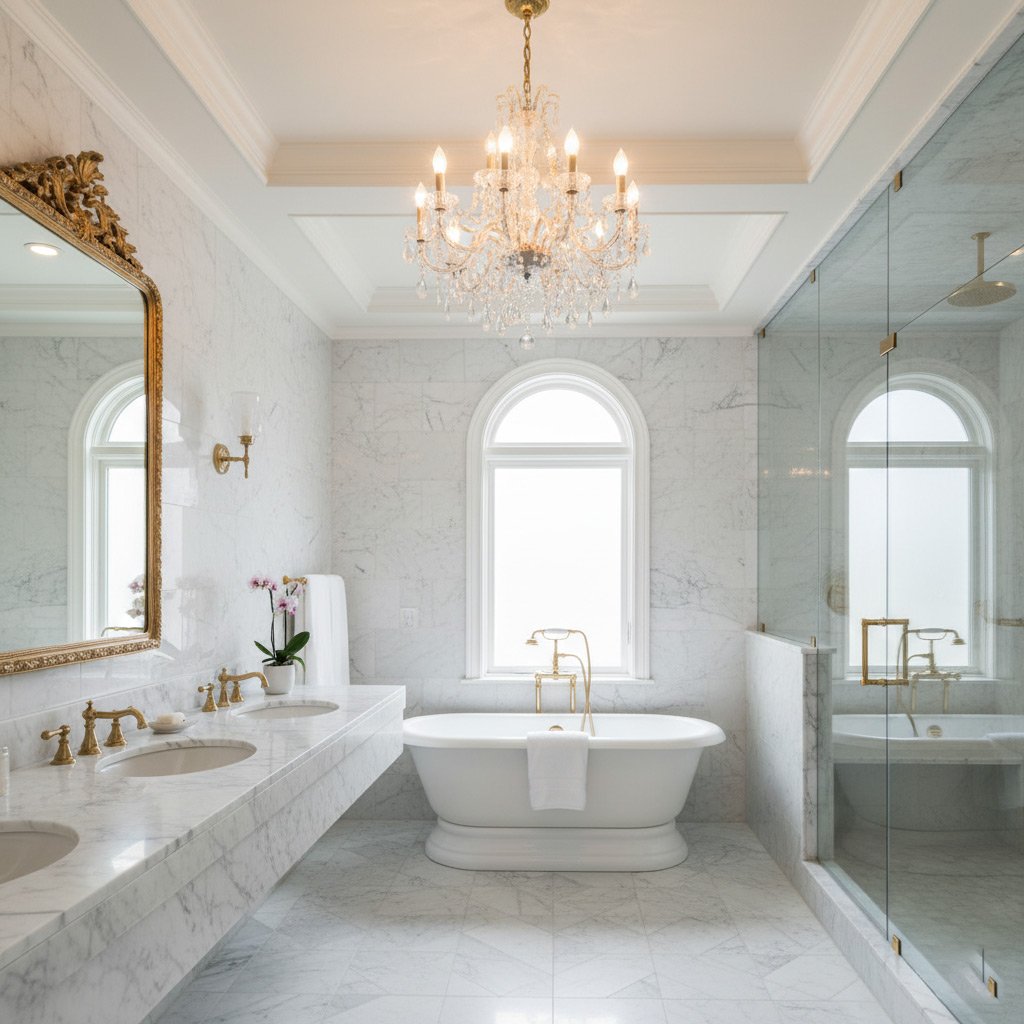
Assessing Your Current Bathroom Layout and Space Constraints
First thing’s first: grab a tape measure and sketch the room’s footprint. Note the distance from the vanity to the tub, the clearance around the door, and any low‑hanging fixtures that could bite into a new shower enclosure. A quick visual check often reveals wasted inches that could become a sleek, walk‑in shower.
Next, walk the space as if you’re already using it. Does the tub block the natural flow from the door to the toilet? Are there awkward corners where a shower door would slam into a wall? Spotting these friction points early saves you from costly re‑work later.
Key Layout Questions to Ask
- Can the existing plumbing be rerouted within a 3‑foot radius? Short runs keep labor costs low.
- Is there enough room for a shower base (typically 32‑36 inches wide) without crowding the vanity?
- Will the new shower door swing inward or slide, and does that affect nearby storage?
- Are there structural columns or beams that limit where a wall can be moved?
Calculating the Financial Benefits: Water Savings, Energy Efficiency, and Home Value
Water Savings that Show Up on Your Bill
Swapping a 60‑gallon tub for a low‑flow shower can shave 30‑40% off your monthly water usage. In Goodyear’s desert climate that translates to hundreds of dollars saved each year. The math is simple: a standard tub uses about 70 gallons per fill, while a modern showerhead runs 2 gpm.
- One 10‑minute shower = 20 gallons
- Three showers a day = 60 gallons – same as one tub fill
- Result: fewer fills, lower water bill
Energy Efficiency – Less Hot Water, Lower Costs
Every gallon of hot water you heat costs you money. Cutting the volume by half means your water heater works less, and your electric or gas bill drops accordingly. In a typical Goodyear home, that reduction can save $150‑$250 annually.
- Shorter heating cycles
- Reduced wear on the water heater
- Longer lifespan for your HVAC system
Boosting Home Value with a Smart Upgrade
Buyers in the Phoenix metro area expect a walk‑in shower, not a claw‑foot tub. A well‑executed conversion can add 3‑5% to your resale price. That’s a quick return on a $10‑$15 k investment, especially when the market favors energy‑smart homes.
- Modern appeal = higher asking price
- Lower utility costs = stronger buyer confidence
- Compliance with water‑conservation rules = added credibility
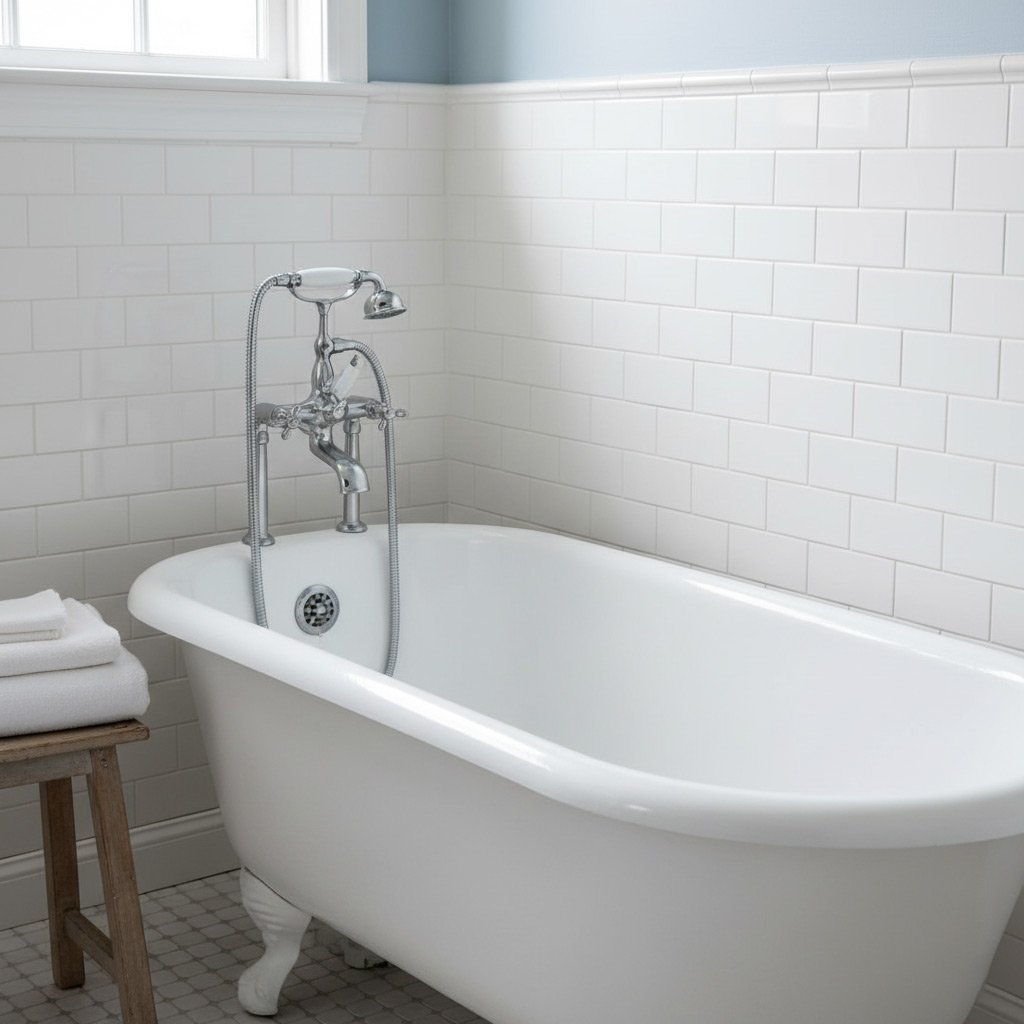
Selecting the Ideal Shower Design for Goodyear’s Climate and Lifestyle
Why a Walk‑In Shower Works in the Desert Heat
Goodyear’s scorching summers demand a shower that cools you fast and stays dry. A walk‑in layout with a low threshold lets steam escape, keeping the bathroom comfortable after a hot day. Open‑concept designs also make the space feel larger, which is a bonus when you’re fighting limited square footage.
Key Features to Look For
Pick fixtures that match the local vibe and conserve water. Here’s a quick cheat sheet:
- Rain‑shower heads – give a spa feel without a huge water draw.
- Thermostatic valves – lock in your perfect temperature, no surprise cold blasts.
- Tile with a light‑colored finish – reflects heat, stays cooler underfoot.
- Built‑in benches or niches – perfect for shaving, storing shampoo, or just pausing.
Design Choices That Blend Style and Function
Goodyear homeowners love a look that’s both sleek and rugged. A linear drain paired with a frameless glass enclosure screams modern, yet it’s easy to clean. If you’re into a bit of flair, add a recessed LED strip; it highlights the tile and saves energy. Remember, the right design isn’t just about looks – it’s about surviving the sun and the water‑conservation rules that keep your bill low.
Understanding Local Permits, Building Codes, and Water‑Conservation Regulations
Before you swing a hammer, the City of Goodyear wants to see paperwork. Skipping the permit process can lead to fines, a forced teardown, or a nasty headache when you try to sell. Play by the rules now, and you’ll avoid costly surprises later.
Permits You’ll Need
Most tub‑to‑shower swaps trigger at least two permits. The good news? The forms are straightforward, and the city’s online portal makes filing a breeze.
- Plumbing Permit – Required whenever you move or add drain lines, valves, or water‑supply fixtures.
- Mechanical Permit – Needed if you install a new ventilation fan or a steam generator.
- Electrical Permit – Applies if you add lighting, heated floors, or a digital control panel.
Once approved, the inspector will swing by during demolition and again after the shower is installed. A quick “thumbs‑up” means you’re good to go.
Water‑Conservation Rules
Arizona’s drought‑aware policies aren’t just talk; they affect every new shower head you choose. The state mandates a maximum flow rate of 2.0 gallons per minute for residential showers.
To stay compliant and save money, consider these options:
- Low‑flow, rain‑style heads that still feel luxurious.
- Smart shower controls that limit run‑time.
- Dual‑flush valves that let you switch between a gentle mist and a full‑blast.
Installing a certified low‑flow fixture not only keeps you legal, it can shave $30‑$50 off your monthly water bill. That’s cash back in your pocket while you enjoy a spa‑like experience.

Mapping Out the Project Timeline: Demolition, Plumbing, and Installation Phases
First thing’s first—know the clock. A typical tub‑to‑shower swap in Goodyear runs 2‑3 weeks if you keep the schedule tight. Miss a step and you’re adding days, dollars, and headaches.
Demolition – Clear the Deck
Pull the old tub out, then prep the space for the new shower. It’s a quick, dirty job, but you can’t skip safety.
- Day 1‑2: Shut off water, disconnect fixtures, and protect surrounding walls.
- Day 2‑3: Remove the tub, break up the mortar, and haul debris.
- Tip: Use a drop cloth to keep dust off your cabinets.
Plumbing – Reroute Like a Pro
Now the pipes get the spotlight. Goodyear’s water‑conservation codes mean you’ll likely need a low‑flow valve.
- Day 4‑5: Inspect existing drain lines; replace if corroded.
- Day 5‑6: Install new supply lines for a thermostatic mixer.
- Pro move: Ask the plumber to pressure‑test before the walls go back up.
Installation – Bring the Spa Home
The finish line is in sight. With the rough‑in done, it’s all about the details that make the shower sing.
- Day 7‑9: Frame the shower pan, set the waterproof membrane, and lay tile.
- Day 10‑11: Mount the showerhead, controls, and any niche shelves.
- Final check: Seal all joints, run water, and make sure there’s no drip.
Case Study: From Outdated Tub to Modern Spa‑Style Shower in a Goodyear Home
The Starting Point
When the Martinez family moved into their 2005 ranch, the bathtub looked like a relic—cracked enamel, rusted faucet, and a water bill that made them wince each month. They wanted a space that felt fresh, functional, and ready for the desert heat. After a quick walkthrough, we flagged three red lights: limited floor space, poor drainage, and an outdated tile pattern.
Design Decisions Tailored to Goodyear
We swapped the tub for a rain‑shower head paired with a built‑in bench, perfect for those long, lazy evenings. The wall panels are a slip‑resistant, quartz‑look tile that stays cool underfoot—ideal for Goodyear’s scorching summers. To keep water usage low, we installed a low‑flow valve and a smart‑timer that cuts flow after 10 minutes.
- Shower footprint: 36” × 48”—fits the existing footprint, no structural changes.
- Tile: 12” × 12” matte porcelain, heat‑reflective.
- Features: LED accent lighting, recessed niche for shampoo.
Results That Speak for Themselves
Within the first month, the Martinez’s water bill dropped 22%, and the new shower became the family’s favorite hangout. Resale value? A recent appraisal added $12,000, citing the “spa‑style bathroom upgrade” as a major plus. The homeowners now brag about their “mini‑spa” to every neighbor on the block.
Final Words
When the tub starts feeling like a relic and your water bill spikes, it’s a clear signal that a shower upgrade is overdue. Don’t wait for the next leak or a cracked tile to force your hand—act while the space is still flexible and the permits are straightforward.
Quick‑Start Checklist
- Measure the existing footprint; note any obstructions.
- Confirm local water‑conservation rules via the city’s building department.
- Get at least three quotes from licensed remodelers who specialize in Tub to Shower Conversions.
- Set a realistic timeline—demolition, plumbing, and finish work usually span 2‑4 weeks.
Once you’ve got the numbers and the paperwork in order, schedule a walkthrough with a contractor. A professional will spot hidden challenges—like outdated joists or insufficient drainage—before they become costly surprises. That’s the difference between a smooth swap and a project that drags on.
People Also Ask
How do I know if my bathroom has enough space for a tub‑to‑shower conversion?
A bathroom that’s at least 30‑35 square feet typically accommodates a standard shower stall. Measure the existing tub footprint and check clearance for doors, walls, and plumbing to ensure a comfortable layout.What are the cost‑saving benefits of swapping a tub for a shower in Goodyear?
Showers use less water per use, which can lower your monthly water bill by up to 30%. They also heat water faster, reducing energy consumption and contributing to a higher resale value.When is the best season to start a tub‑to‑shower remodel in Goodyear?
The cooler months (October through March) are ideal because contractors face fewer scheduling conflicts and you can avoid the intense summer heat while the new shower cures and dries properly.Do I need a permit for a tub‑to‑shower conversion in Goodyear?
Yes, most remodels that involve plumbing or structural changes require a building permit from the City of Goodyear. Check local codes and obtain the permit before demolition to avoid fines and delays.How long does a typical tub‑to‑shower project take from demolition to finish?
A standard conversion usually spans 2 to 4 weeks, including demolition, plumbing reroute, waterproofing, and tile installation. Complex designs or custom features may extend the timeline slightly.
Goodyear Bathroom Remodel specializes in bathroom renovations, bringing over a decade of craftsmanship to homeowners throughout Goodyear, Arizona. Their team blends local knowledge with industry expertise to create functional, stylish spaces tailored to each client’s needs.
Need Bathroom Remodel?
We transform your bathroom into a modern, functional space in just weeks. Serving Goodyear (85338, 85395) and nearby areas (85323, 85340, 85353).
Get Remodel Estimate